Analyzing Data Synchronization Methods Between Administrative Dashboards and Client Subscription Portals in Analysis Networks
Written by Hugo Schmitz · Jul 11, 2026
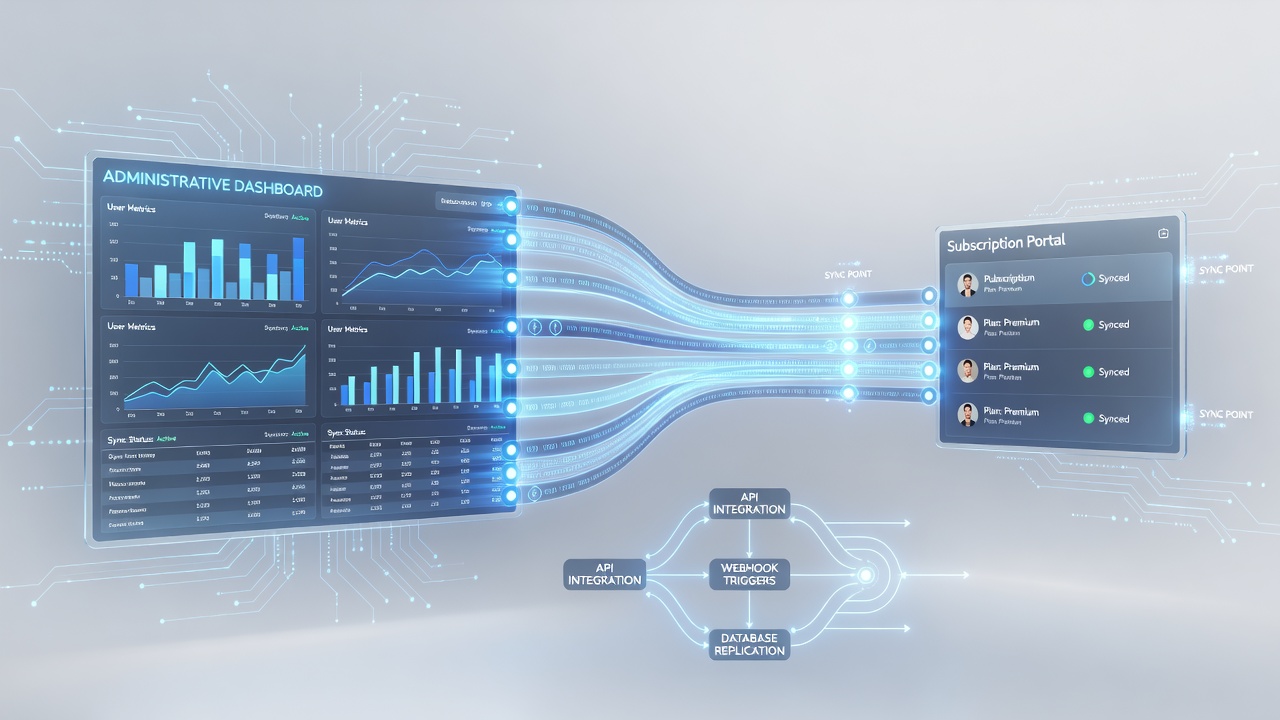
Analyzing Data Synchronization Methods Between Administrative Dashboards and Client Subscription Portals in Analysis Networks
Analysis networks rely on precise coordination between administrative dashboards and client subscription portals, where synchronization methods determine how performance records, subscription statuses, and predictive content reach users without delay or inconsistency; researchers have documented that effective methods maintain data integrity across distributed systems while supporting high-volume queries typical in sports forecasting platforms.
Core Synchronization Approaches in Practice
Batch processing remains a foundational technique where data updates occur at scheduled intervals, allowing administrators to compile records from tipster performance metrics and push them to client portals during off-peak hours, whereas real-time synchronization employs continuous API calls or webhook triggers to reflect changes the moment an admin modifies subscription tiers or updates strike rates in the backend, and observers note that hybrid models combine both to balance server load wth user expectations for immediate access.
Those who've studied distributed databases in analysis ecosystems point out that event-driven architectures trigger synchronization whenever specific actions occur, such as a renewal payment processing or a new prediction entry, while polling methods check for updates at regular frequencies, and data indicates the choice often hinges on network latency tolerances documented in technical reports from institutions like the National Institute of Standards and Technology.
Implementation Patterns Across Platforms
WordPress-based analysis sites frequently integrate custom functions and plugins to handle synchronization through XML-RPC endpoints or REST APIs, enabling seamless transfer of user role data tied to performance levels between admin interfaces and front-end portals, and experts have observed that these setups often incorporate custom fields to track recurring billing hooks alongside statistical visualizations.
Take one case where developers mapped automated exchanges to improve client retention, resulting in reduced discrepancies between displayed subscription details and backend records, whereas another implementation used secure API integrations for dynamic content updates that reflect live performance summaries without manual intervention, and figures from industry analyses reveal such patterns support scalability in high-traffic forecasting communities.

Security and Compliance Factors
Encryption protocols and access controls play central roles during synchronization, protecting sensitive subscription information as it moves between dashboards and portals, while authentication layers verify that only authorized endpoints participate in data transfers, and reports from regulatory bodies such as Australia's Digital Transformation Agency highlight best practices for maintaining these safeguards in digital service environments.
Multi-factor verification combined with role-based permissions ensures that client portals display accurate, up-to-date information without exposing administrative controls, and research indicates these measures align with broader standards for data handling in networked applications, reducing risks associated with unauthorized access during transit.
Performance Considerations and Metrics
Latency measurements and throughput rates serve as key indicators when evaluating synchronization efficiency, with systems optimized for high-volume subscription queries demonstrating faster response times during peak usage periods common in betting advisory platforms, and studies from academic sources like those published through IEEE conferences show that optimized server protocols can cut average sync times significantly when handling concurrent requests.
Monitoring tools track error rates and data consistency across nodes, allowing administrators to identify bottlenecks before they affect end users, while load-balancing techniques distribute synchronization tasks to maintain stability even as networks scale, and those analyzing these patterns find correlations between efficient methods and improved overall system reliability.
Emerging Developments Expected by July 2026
Projections for July 2026 include wider adoption of standardized protocols that facilitate cross-platform synchronization in analysis networks, incorporating advancements in edge computing to localize data processing closer to client portals and thereby reduce central server dependency, and preliminary models suggest these changes could enhance resilience during periods of elevated demand.
Integration with emerging blockchain elements for immutable audit trails of subscription changes and performance records represents another area under exploration, although implementation remains in early testing phases according to ongoing research compilations, and observers anticipate gradual rollout across sports prediction ecosystems as compatibility frameworks mature.
Conclusion
Data synchronization methods between administrative dashboards and client subscription portals continue to evolve within analysis networks, driven by requirements for accuracy, security, and responsiveness that support operational continuity, and evidence from multiple technical domains underscores the value of tailored approaches that address both current demands and anticipated growth in user bases.