Custom Query Optimizations for Matching Subscribers with High-Accuracy Predictors in Sports Analysis Websites
Written by Finley Jenkins · Jun 6, 2026
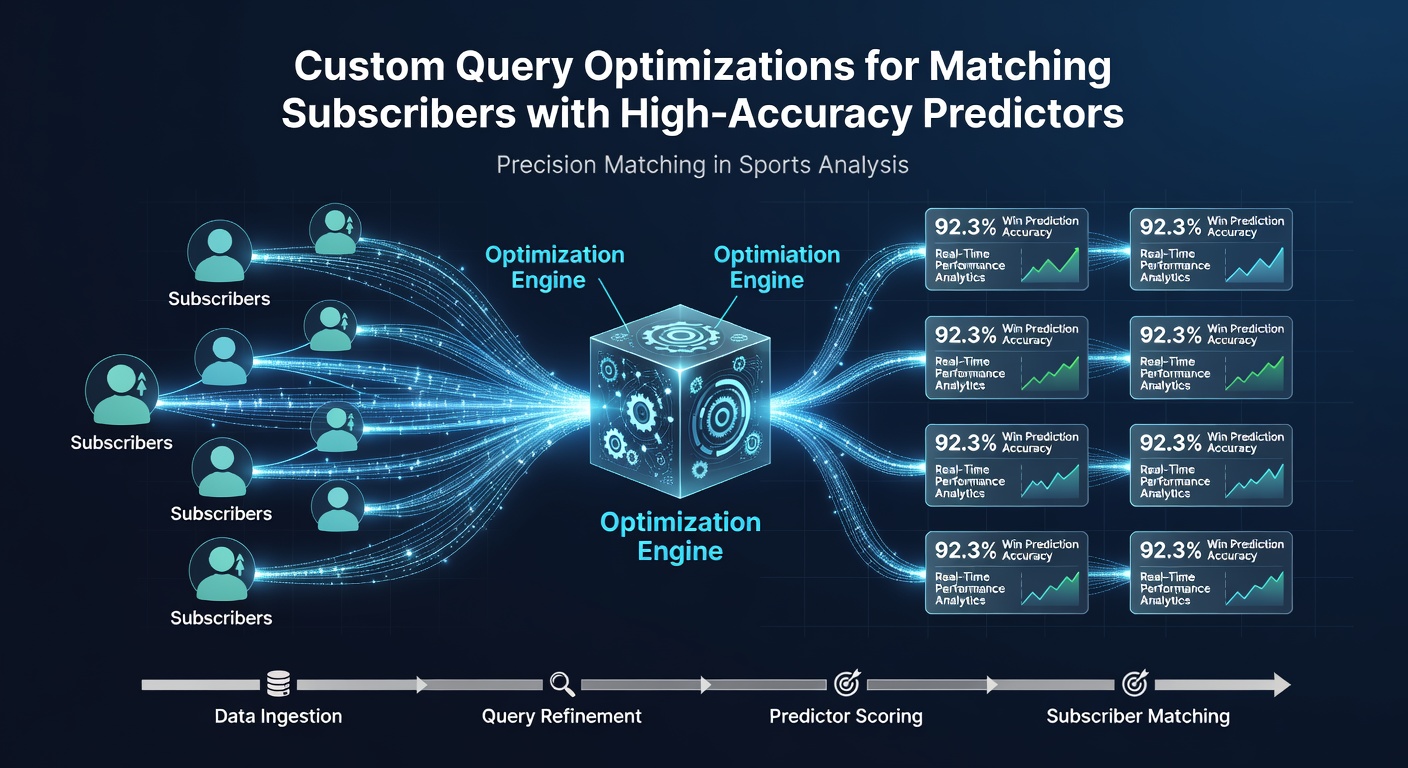
Custom Query Optimizations for Matching Subscribers with High-Accuracy Predictors in Sports Analysis Websites
Sports analysis websites rely on sophisticated database systems to connect subscribers with predictors who demonstrate strong historical performance across specific sports and events. Custom query optimizations play a central role in these platforms because they reduce latency while improving the relevance of recommendations based on accuracy scores, subscription tiers, and real-time data inputs.Core Challenges in Subscriber-Predictor Matching Systems
Matching algorithms must evaluate large volumes of performance data including win rates, return on investment figures, and sport-specific metrics while respecting subscriber preferences for certain leagues or bet types. Without optimized queries these operations create bottlenecks especially during peak periods when thousands of users access the platform simultaneously. Data indicates that unoptimized joins across subscriber profiles, predictor histories, and event logs often lead to response times exceeding acceptable thresholds in high-traffic environments.
Researchers at Stanford University have documented how indexing strategies on accuracy-related columns dramatically improve lookup speeds in similar recommendation systems. Their work highlights the value of composite indexes that combine predictor success rates with subscriber engagement levels so the database engine can retrieve relevant matches without scanning entire tables.
Indexing and Query Planning Techniques
Effective indexing begins with identifying the most frequently filtered columns such as accuracy percentages over rolling 30-day and 90-day windows along with subscriber location filters and preferred sports categories. Database administrators implement covering indexes that include all columns needed by a query so the engine avoids additional table lookups. Execution plan analysis reveals whether the optimizer chooses index seeks over full scans and administrators adjust statistics updates accordingly to keep cardinality estimates accurate.
Partitioning tables by sport or by time period further refines performance because queries targeting soccer predictors only examine the relevant partition rather than the full dataset. This approach proves especially useful for platforms handling global audiences where different regions focus on distinct leagues during overlapping seasons.
Advanced Matching Algorithms and Real-Time Adjustments
Custom stored procedures often encapsulate the core matching logic by combining weighted accuracy scores with subscriber feedback ratings and current form indicators. These procedures incorporate parameterized inputs that allow the system to adjust matching thresholds dynamically based on subscription level. For instance premium subscribers receive results filtered to predictors above a 68 percent accuracy mark while standard users see a broader pool starting at 55 percent.

Materialized views refresh periodically to precompute common match combinations and this technique cuts down on repetitive calculations during user sessions. When new performance data arrives after major sporting events the views update through incremental refresh mechanisms that only recalculate affected rows rather than rebuilding the entire structure.
Observers note that June 2026 marks a notable period for several platforms as they prepare for major international tournaments where predictor accuracy data spikes in volume. During these windows query caching layers store frequent match results for short durations while invalidating entries when fresh accuracy metrics become available.
Integration with Subscriber Management and Scalability Measures
Query optimizations extend beyond the matching engine to include efficient retrieval of subscription status and payment verification data. Foreign key constraints and indexed lookup tables ensure that eligibility checks complete quickly before any predictor recommendations load. Connection pooling and read replicas distribute query load so write operations on accuracy updates do not interfere with subscriber-facing read queries.
Industry reports from the Canadian Institute for Data Analysis emphasize the importance of monitoring query performance metrics over time. Their findings show that regular review of slow query logs combined with index maintenance routines maintains consistent response times even as datasets grow beyond several million rows.
Conclusion
Custom query optimizations form the technical foundation that enables sports analysis websites to deliver precise subscriber-predictor matches at scale. Through targeted indexing, partitioned tables, materialized views, and dynamic stored procedures these systems balance accuracy requirements with performance demands. Continued refinement of execution plans and integration with real-time data feeds supports reliable service as user bases expand and sporting calendars intensify.