Database Optimization Techniques Powering Accuracy Tracking and Seamless Renewal Processes for Sports Analysis Portals
Written by Hugo Becker · Jul 15, 2026

Database Optimization Techniques Powering Accuracy Tracking and Seamless Renewal Processes for Sports Analysis Portals
Sports analysis portals rely on robust database systems to maintain precise performance records while managing user subscriptions without interruption. These platforms process vast datasets that include historical match outcomes, player statistics, and prediction accuracy rates, and efficient storage structures enable rapid retrieval alongside continuous updates. Database indexing plays a central role in this environment. Administrators implement composite indexes on fields such as user identifiers combined with timestamp data, which accelerates queries that calculate strike rates and historical performance trends. Without these indexes, response times for accuracy reports can increase dramatically when thousands of concurrent users access real-time leaderboards. Query optimization extends beyond indexing to include execution plan analysis and stored procedure refinement. Developers rewrite complex joins that aggregate accuracy metrics across multiple seasons into materialized views that refresh at scheduled intervals. This approach reduces computational overhead during peak usage periods, and portals handling international sports data benefit particularly because queries spanning different time zones execute faster when precomputed summaries replace live calculations. Caching layers complement these techniques through distributed systems like Redis or Memcached. Frequently accessed accuracy statistics remain in memory while subscription status checks pull from the cache first before falling back to the primary database. This layered strategy minimizes latency for renewal prompts that appear when user accounts approach expiration dates.Accuracy Tracking Mechanisms
Accuracy tracking demands granular data models that record each prediction alongside its eventual outcome. Tables structured with normalized schemas separate raw event data from derived metrics, which allows analysts to recalculate performance indicators when new verification sources become available. In July 2026 several major portals upgraded their verification pipelines to incorporate automated data feeds from league APIs, and optimized databases handled the influx without service degradation.
Partitioning strategies divide large tables by date ranges or sport categories so that historical accuracy queries scan only relevant segments rather than entire datasets. This method proves especially useful for portals that maintain records spanning multiple years, and it supports compliance requirements by simplifying data retention policies.Seamless Renewal Processes
Subscription renewal workflows depend on transactional integrity to prevent duplicate charges or access gaps. Database triggers monitor account expiration fields and initiate renewal sequences when thresholds are reached, while optimistic locking prevents conflicts during simultaneous updates from payment gateways. Observers note that portals using these automated hooks experience fewer support tickets related to billing discrepancies.
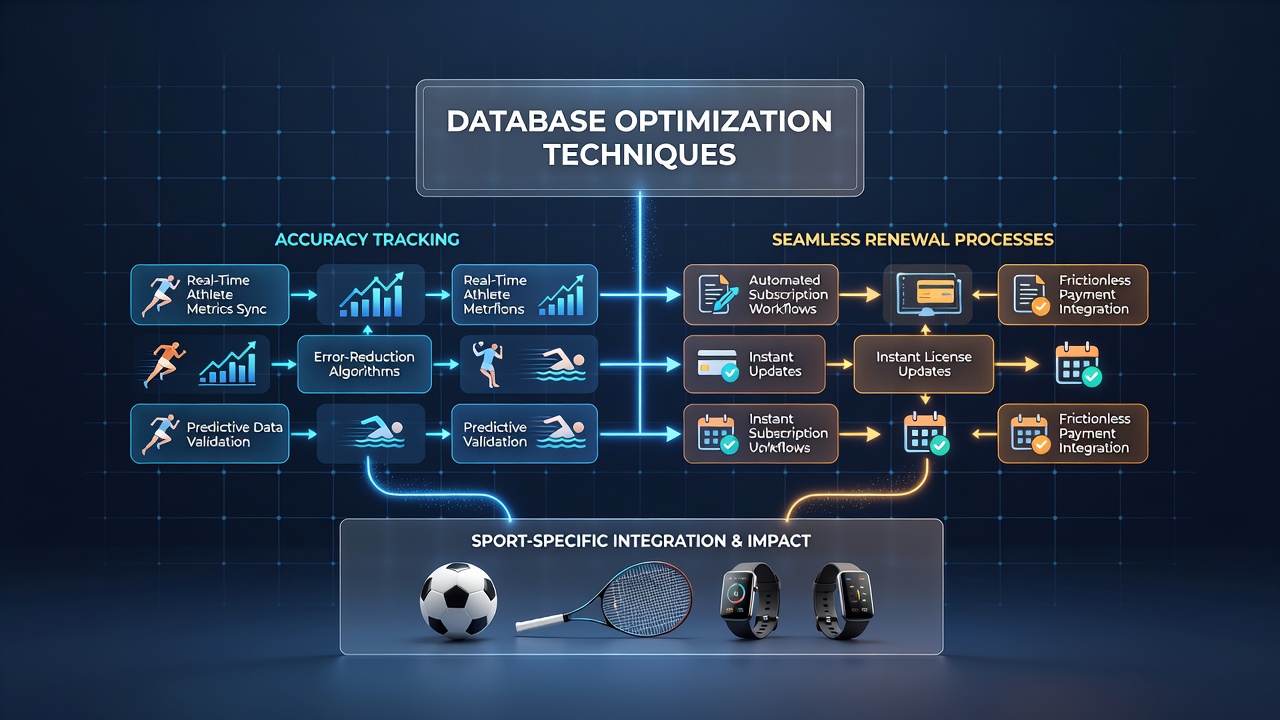 Connection pooling further enhances reliability by maintaining persistent database connections that handle bursts of renewal activity during monthly billing cycles. Administrators configure pool sizes based on historical traffic patterns, which ensures that accuracy tracking continues uninterrupted even when renewal traffic spikes.
Advanced Techniques and Integration
Sharding distributes user data across multiple database instances based on geographic regions or subscription tiers, and this segmentation improves both query speed and fault tolerance. When one shard undergoes maintenance, the remaining shards continue serving accuracy reports and processing renewals for unaffected users. Research from the Association for Computing Machinery highlights similar distribution methods in high-volume analytics environments.
Data replication across primary and secondary servers provides redundancy that protects against hardware failures during critical renewal windows. Asynchronous replication keeps accuracy metrics synchronized while allowing the primary node to focus on write operations from live prediction submissions. Portals operating across continents often adopt multi-master configurations to reduce cross-region latency. Monitoring tools track key performance indicators such as query execution times and cache hit ratios, and alerts trigger when thresholds indicate potential bottlenecks. These systems enable proactive tuning before users notice delays in accessing their performance histories or completing subscription updates.Conclusion
Database optimization techniques form the foundation that allows sports analysis portals to deliver accurate tracking alongside uninterrupted renewal services. Indexing, query refinement, caching, partitioning, and replication each address specific performance challenges while working together to support growing user bases. As data volumes expand and user expectations rise, continued refinement of these methods remains essential for maintaining operational excellence in this sector.