Enhancing Client Loyalty via Personalized Notification Protocols in Sports Prediction Networks
Written by Hugo Schmitz · Jun 27, 2026
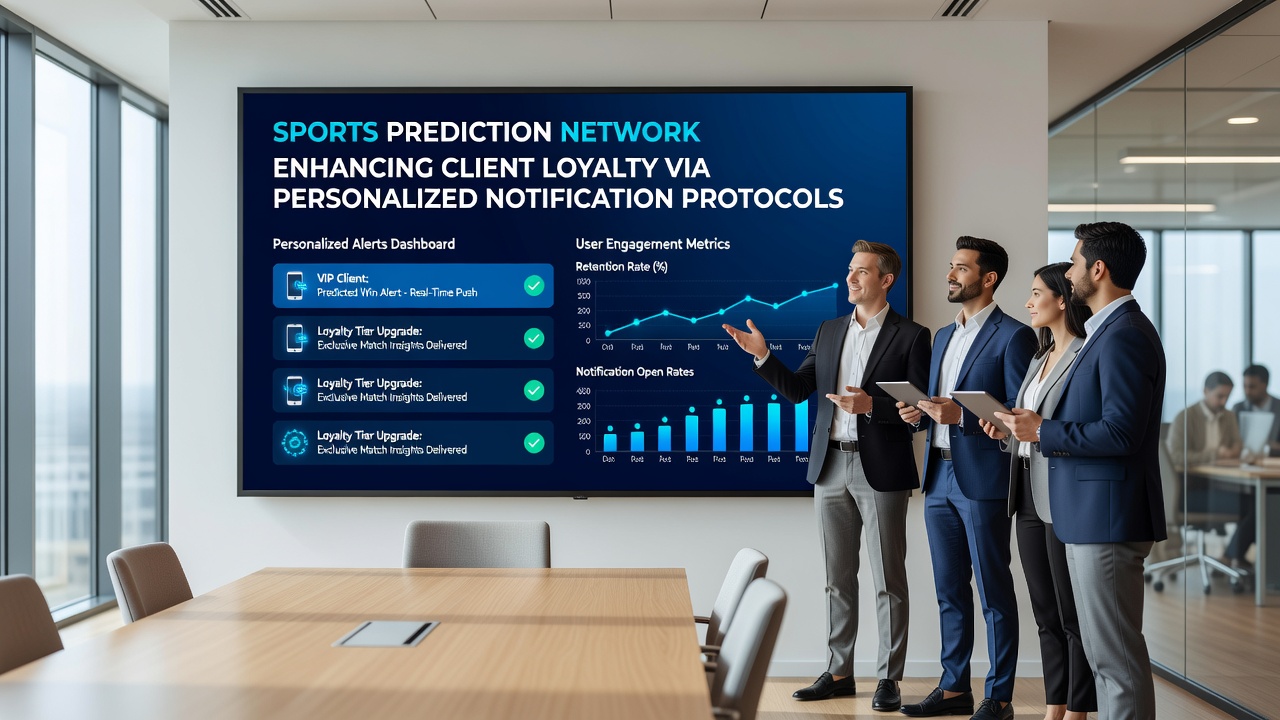
Enhancing Client Loyalty via Personalized Notification Protocols in Sports Prediction Networks
Personalized notification protocols have emerged as a central mechanism for building sustained engagement within sports prediction networks where subscribers receive tailored alerts based on their betting histories, preferred leagues, and performance thresholds. These systems combine user data with algorithmic triggers to deliver updates at optimal times, and operators report that such approaches correlate with extended subscription periods across multiple platforms. Research from academic institutions indicates that customization reduces churn rates when notifications align closely with individual patterns rather than generic broadcasts.
Core Components of Notification Personalization
Effective protocols rely on several interconnected elements including preference profiles, timing algorithms, and content segmentation that together create relevant messaging streams for each participant. Data from network analytics platforms shows that users who receive alerts filtered by sport type and stake size demonstrate higher interaction levels than those exposed to unfiltered feeds, while integration with historical performance records allows systems to highlight tipsters whose records match subscriber interests. Observers note that these components function best when updated continuously through automated data pipelines that capture new predictions and results in real time.
Implementation Strategies Across Networks
Many sports prediction services integrate notification systems directly into their existing content management frameworks, enabling seamless delivery through mobile applications and email channels without requiring separate infrastructure investments. In practice, administrators configure rules that activate messages when specific conditions occur such as a tipster reaching a strike rate milestone or a match outcome aligning with subscriber preferences, and this setup supports both push notifications and scheduled summaries. Those managing larger platforms often combine these features with subscription management tools to ensure messages reinforce value rather than overwhelm recipients with volume.
Impact on Retention Metrics
Figures from industry analyses reveal that networks employing advanced personalization see measurable improvements in renewal rates, particularly when notifications include performance summaries tied to a user's selected tipsters. One documented case involved a platform that introduced segmented alerts based on regional leagues, resulting in extended average subscription durations over a twelve-month period according to internal tracking data. Researchers have observed similar patterns in related digital service sectors where tailored communications foster repeat engagement because they deliver timely insights without requiring manual searches by the subscriber.
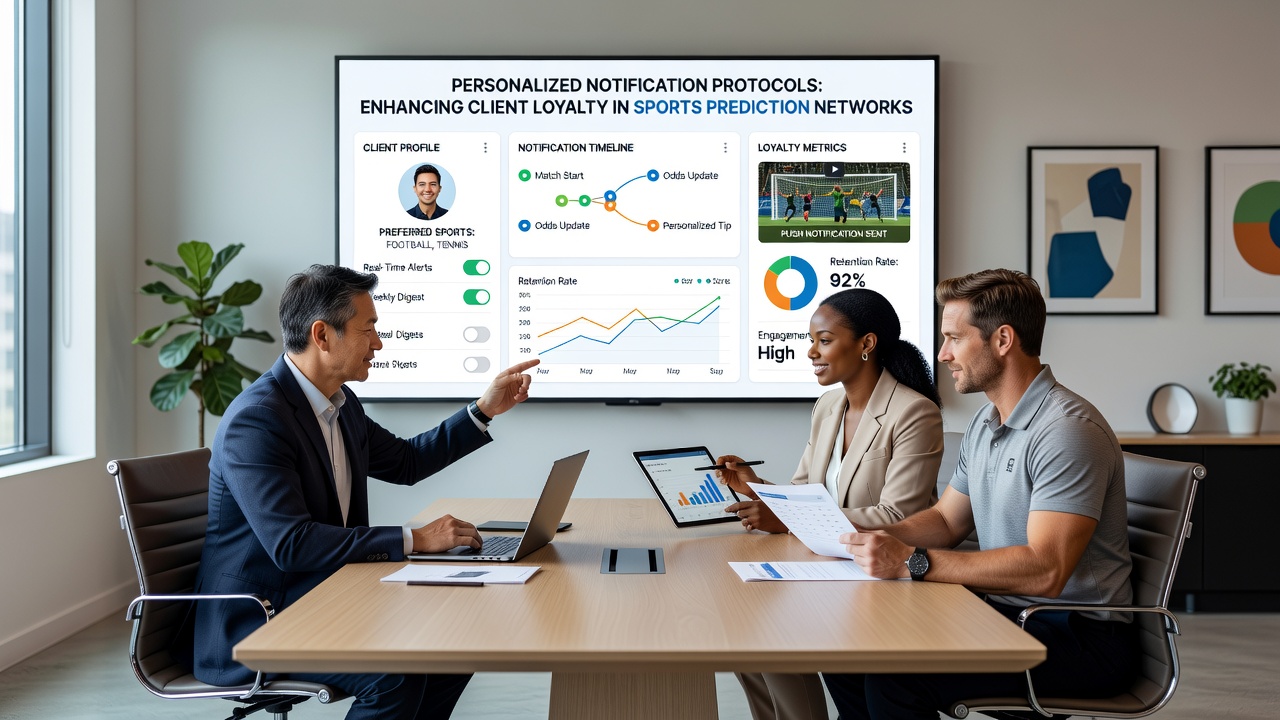
Additional studies highlight the role of frequency controls that prevent notification fatigue while maintaining contact at intervals proven to sustain interest. Platforms that allow users to adjust alert cadence through simple dashboard controls report stronger loyalty indicators, including increased referral activity and higher lifetime values. Data collected through June 2026 continues to support these findings as networks refine their models using aggregated engagement statistics from diverse user bases.
Technical Considerations for Scalable Delivery
Building reliable protocols requires attention to data synchronization between prediction databases and notification engines so that alerts reflect the most current information available. Developers often employ API connections that pull performance metrics and user preferences into centralized queues, allowing messages to trigger automatically when thresholds are met. This architecture supports high-volume environments where thousands of subscribers may receive simultaneous updates during major sporting events, and testing protocols ensure delivery consistency across different devices and time zones.
Security measures form another essential layer because personalized systems handle sensitive preference and transaction data that must remain protected during transmission. Compliance frameworks from various regulatory bodies guide the implementation of encryption standards and consent management features that keep operations aligned with regional requirements. Networks operating across borders typically adopt unified approaches that satisfy multiple jurisdictions simultaneously while preserving the flexibility needed for localized content variations.
Examples from Established Platforms
Take one mid-sized prediction service that integrated league-specific alerts for European football followers while maintaining separate streams for North American sports enthusiasts, which allowed the platform to address distinct audience segments without fragmenting its overall user experience. Observers documented increased session times following the rollout as subscribers engaged more deeply with content matched to their interests. Another instance involved a network that added milestone-based notifications celebrating tipster achievements relevant to individual portfolios, and this feature contributed to measurable gains in active user counts over successive quarters.
These cases illustrate how personalization extends beyond basic alerts into relationship-building tools that reinforce the perceived value of ongoing subscriptions. When combined with performance tracking modules, notification systems help subscribers stay informed about developments that directly affect their chosen tipsters, creating a feedback loop that encourages continued participation.
Future Developments and Data Trends
As networks prepare for continued growth, emerging techniques focus on predictive personalization that anticipates user needs based on upcoming fixtures and historical response patterns. Reports from research institutions suggest that incorporating machine learning elements into notification logic could further refine timing and content selection, leading to even tighter alignment between messages and subscriber expectations. Current projections through mid-2026 indicate sustained investment in these capabilities as platforms seek differentiation in competitive markets.
Conclusion
Personalized notification protocols represent a practical pathway for sports prediction networks to strengthen client relationships through targeted, timely communications that reflect individual preferences and behaviors. The integration of these systems with existing performance data and subscription tools creates cohesive experiences that support retention objectives across diverse user groups. Continued refinement based on engagement analytics positions networks to maintain relevance as subscriber expectations evolve alongside technological capabilities.