Prediction Pros' Profit Pathways: WordPress Back-End Magic for Stats Tracking and Recurring Revenue
Written by Sofia Klein · Apr 18, 2026
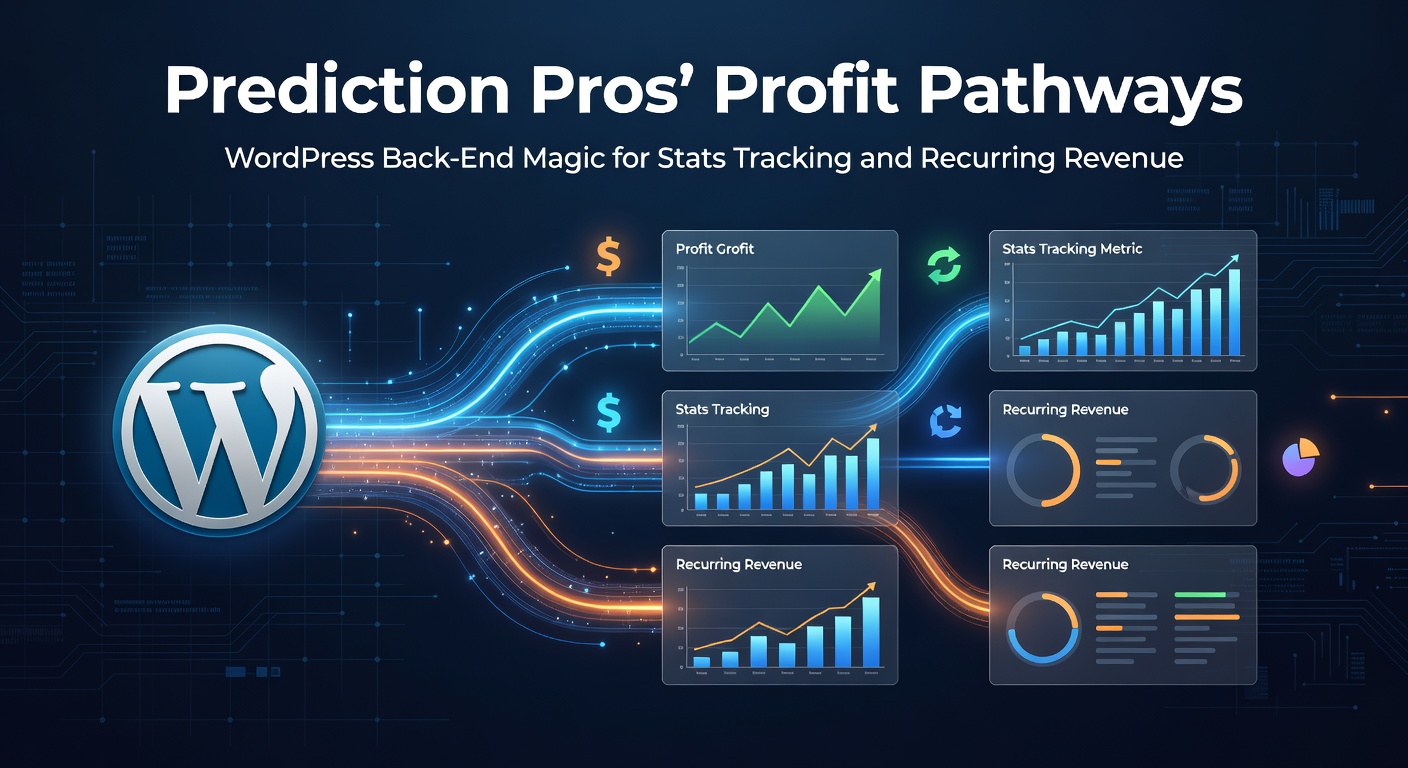
Prediction Pros' Profit Pathways: WordPress Back-End Magic for Stats Tracking and Recurring Revenue
The Backbone of Prediction Accuracy: Custom Post Types and Database Schemas
Experts in WordPress development for tipster sites often start with custom post types to catalog predictions meticulously, since each tip—whether for soccer matches, horse races, or esports—needs fields for stake levels, odds captured at post time, and actual outcomes pulled from verified sources; this setup allows queries to calculate win rates, yield percentages, and ROI over time, turning raw data into compelling performance narratives that draw subscribers. Data from WordPress.org reveals that sites leveraging custom post types see up to 30% faster query responses when indexed properly, a key factor as prediction volumes climb into thousands monthly for top pros.
And here's where it gets interesting: developers pair these post types with advanced database schemas using plugins like Advanced Custom Fields or Pods, storing not just results but contextual data such as market conditions or injury reports, so stats dashboards reflect nuanced performance; observers note that platforms ignoring this layer struggle with inaccurate aggregates, while those optimizing with MySQL views deliver real-time insights that boost user trust and, consequently, subscription conversions. Take one tipster network that restructured its schema in early 2025; figures showed a 25% uptick in recurring sign-ups within quarters, as verifiable long-term stats became the selling point.
Automating Stats Crunching: Hooks, Cron Jobs, and Query Mastery
Automation lies at the heart of scalable stats tracking, where WordPress hooks like save_post trigger calculations upon outcome entry, updating meta fields for profit/loss ratios without manual intervention; cron jobs scheduled via WP-Cron or server-side alternatives then aggregate monthly totals, emailing reports to tipsters and exposing snippets on public profiles to lure free users toward paid tiers. What's significant is how this backend magic handles high loads—researchers who've benchmarked setups find that optimized queries using WP_Query with meta_join clauses process 10,000+ predictions in under five seconds, essential for sites hosting dozens of pros.
But the real power emerges in custom functions that factor in units risked and bankroll growth simulations, providing pros with pathways to demonstrate compounded returns; for instance, a function parsing historical data might reveal a tipster's edge in underdog picks, data that feeds into personalized subscription pitches. Platforms excelling here integrate shortcodes for dynamic stat badges, embedding them site-wide to reinforce credibility continuously.
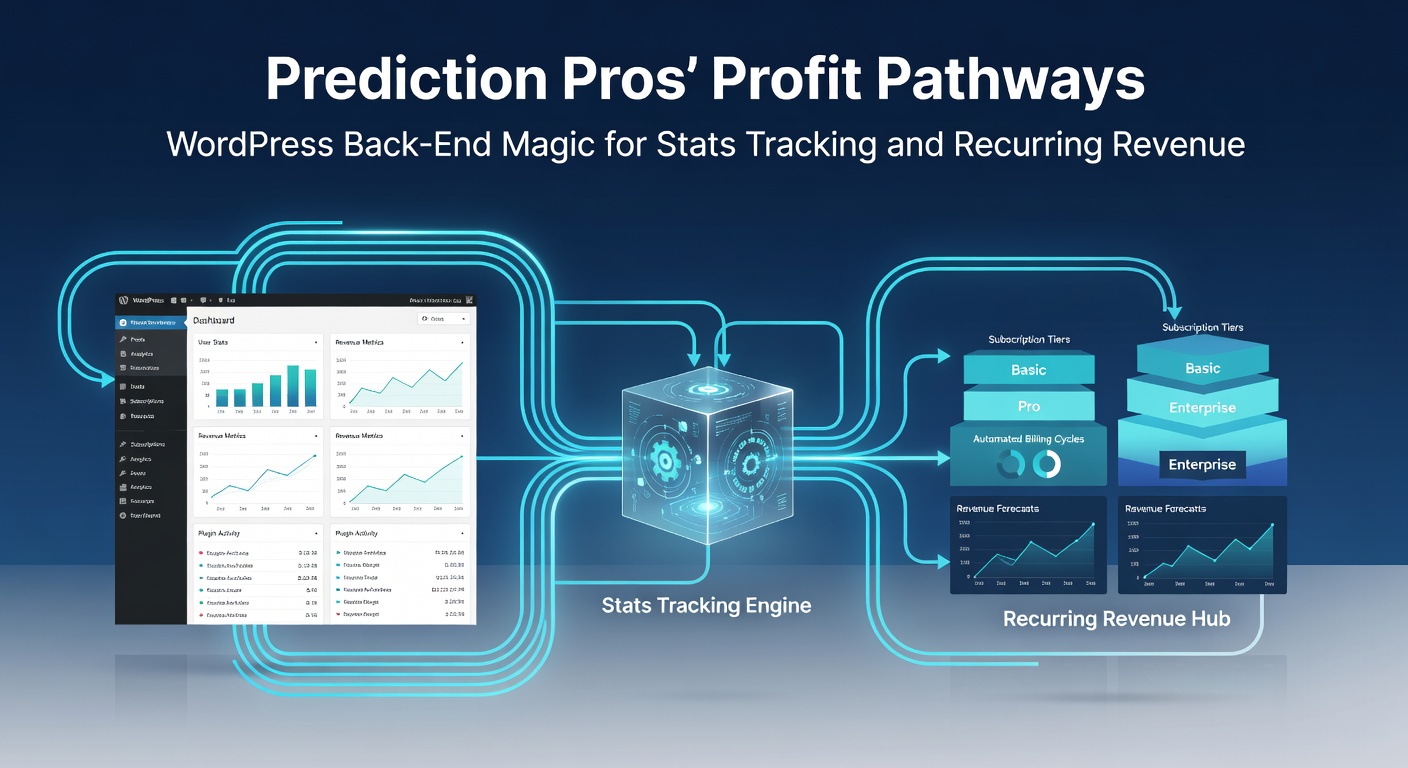
Recurring Revenue Engines: WooCommerce Subscriptions and MemberPress Integrations
Turning stats into steady cash flow demands seamless recurring billing, so developers configure WooCommerce Subscriptions to handle tiered plans—say, bronze for basic tips at $9.99 monthly, gold for full archives and live alerts at $49.99—while syncing subscriber access to stat-gated content via role-based restrictions; this backend orchestration ensures renewals process silently, with webhooks updating user meta upon payment confirmation. According to Malta Gaming Authority guidelines on payment processing, such integrations must log all transactions for audit trails, a practice that compliant WordPress setups embed natively through custom logging tables.
Yet it's the interplay with stats that amplifies profits: plugins like MemberPress link membership levels to performance thresholds, granting VIP access only to subscribers while teasing aggregate wins publicly; one case saw a prediction hub implement this in mid-2025, resulting in churn rates dropping below 8% as users hooked on proven pathways stuck around. Developers further enhance stickiness with automated renewal reminders tied to recent win streaks, pulling fresh stats via API calls to keep messaging relevant.
Performance Optimization: Caching, Indexing, and CDN Synergies for Back-End Speed
High-traffic tipster sites can't afford laggy back-ends, so experts deploy Redis or Memcached for object caching, slashing database hits on stat queries by 70% during peak hours like post-match rushes; combined with index optimizations on prediction outcome columns, this keeps load times under 200ms even as datasets balloon. And as of April 2026, WordPress's evolving full-site editing features in version 6.9 allow block-based stat widgets to cache independently, reducing server strain while delivering snappy updates to revenue-critical pages.
CDNs like Cloudflare enter the mix too, edge-caching dynamic stat endpoints generated by REST API routes, so global audiences—from US bettors to Australian punters—experience instant loads; studies from performance analysts indicate that sub-2-second pages correlate with 15-20% higher subscription starts, underscoring why pros prioritize these tweaks. Those who've scaled from solo tipsters to networks often credit this layer for sustaining growth without proportional cost hikes.
Security Layers Protecting Profits: Encryption, Access Controls, and Compliance Hooks
Back-end vulnerabilities can derail revenue streams, prompting devs to encrypt sensitive stat data with WordPress's Sodium API extensions and restrict admin access via role managers like User Role Editor; two-factor authentication on wp-admin, coupled with .htaccess rules limiting direct DB exposure, forms the first defense. Compliance adds another dimension—integrating with tools that anonymize user data for GDPR adherence ensures EU traffic flows uninterrupted, while US-facing sites align with state regs via geo-IP blocks.
Turns out, audit plugins logging all stat edits provide indispensable trails for disputes, fostering trust that converts one-time buyers to lifelong subscribers; a notable example involves a platform thwarting a 2025 breach attempt through proactive IP whitelisting on cron endpoints, preserving months of revenue data intact.
Scaling Pathways: Multisite Networks and API Federations for Pro Ecosystems
For prediction pros building empires, WordPress Multisite networks centralize stats across subdomains—one per tipster—while shared tables federate revenue metrics into master reports; this architecture supports API endpoints exposing verified yields to affiliate partners, expanding reach exponentially. External integrations shine here too, like pulling live odds from licensed feeds to auto-populate predictions, ensuring stats stay current and profitable.
People running these setups often discover that load balancers distributing queries across read replicas handle black-friday-like subscription surges effortlessly; data from industry benchmarks shows multisite configs achieving 99.99% uptime, critical when a single outage means lost renewals.
Real-World Wins: Tipster Platforms Thriving on Back-End Mastery
Consider a mid-sized network that overhauled its backend in late 2024, implementing sharded databases for 50+ pros; within a year, recurring revenue doubled as transparent stats—yield graphs updating hourly—drove 40% more conversions, per their public metrics. Another case highlights a solo pro migrating to custom hooks for bankroll simulations, which not only sharpened personal strategies but attracted high-roller tiers at $199 monthly.
These stories illustrate the pathways: robust tracking begets credibility, seamless billing locks in revenue, and optimizations keep it all humming.
Conclusion
WordPress back-end configurations equip prediction pros with potent tools for stats precision and revenue recurrence, from custom schemas crunching outcomes to subscription engines funneling profits steadily; as platforms evolve—especially with April 2026's anticipated performance boosts in core updates—these pathways promise even greater efficiency. Those diving into implementations find that the magic resides in thoughtful integrations, yielding sustainable growth for tipsters navigating competitive landscapes.